Apple Machine
A traditional kitchen tool, reconsidered.
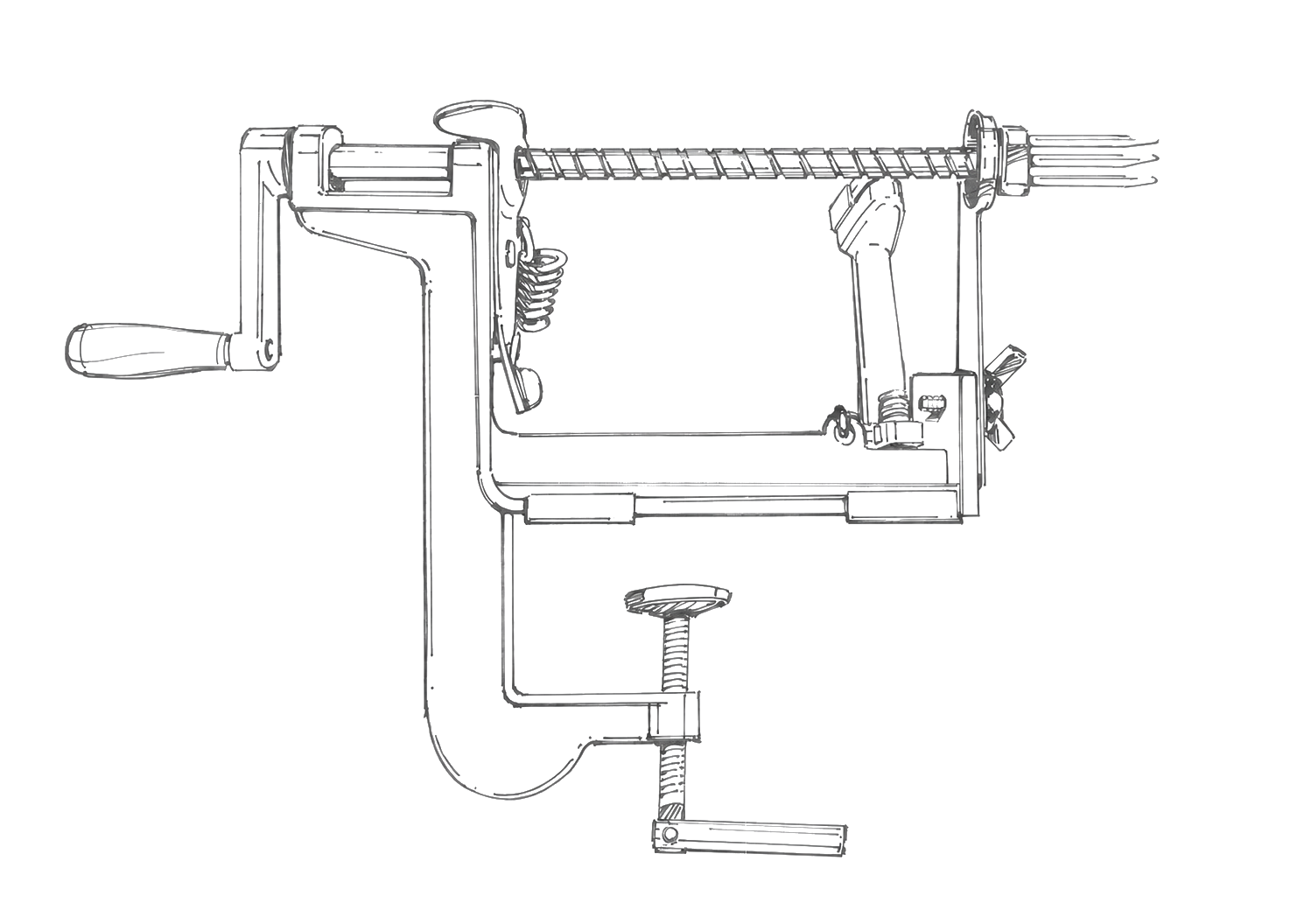
A complete redesign of the traditional apple parer.
01 / Research + test
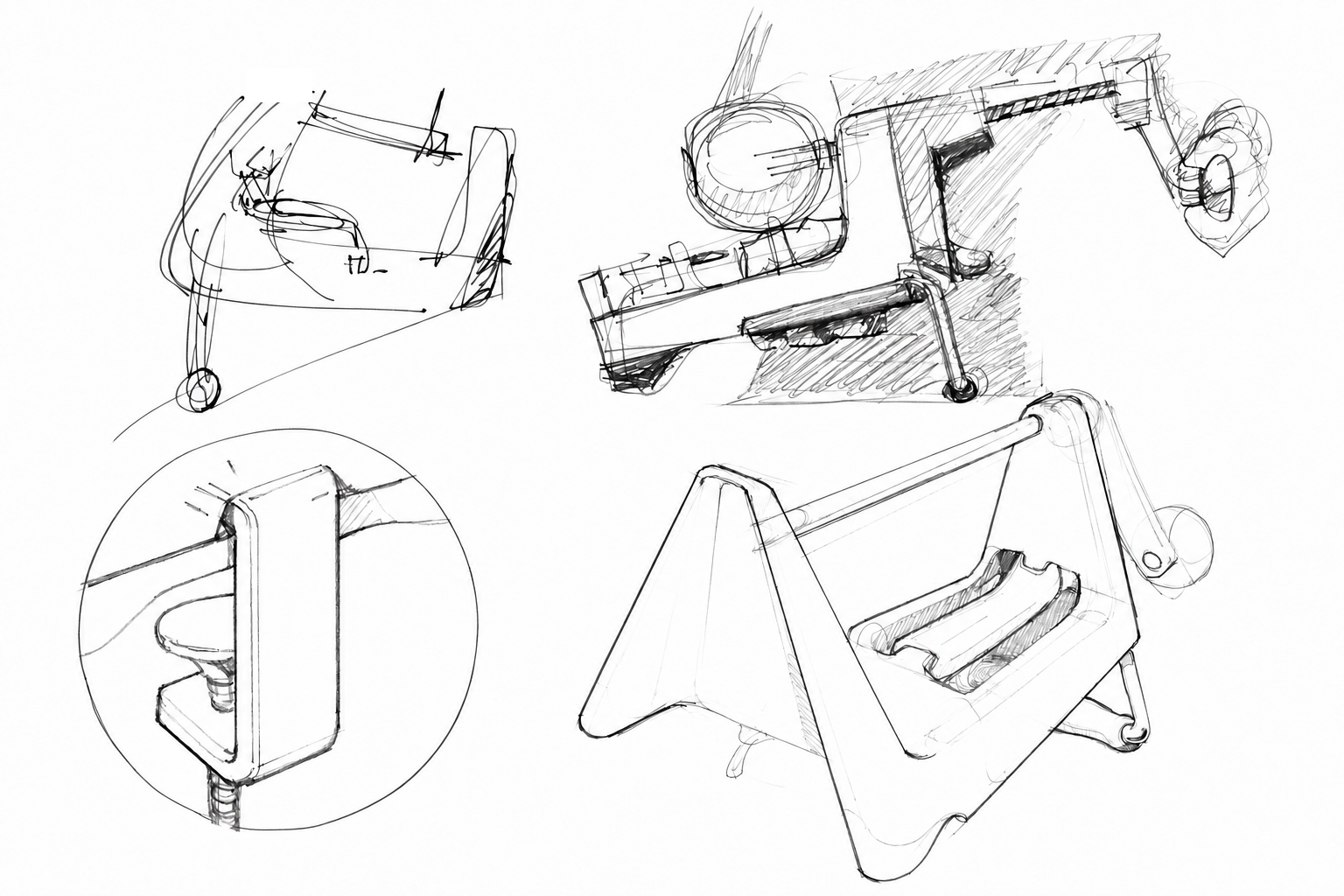
Eliminating the clamp for faster setup.
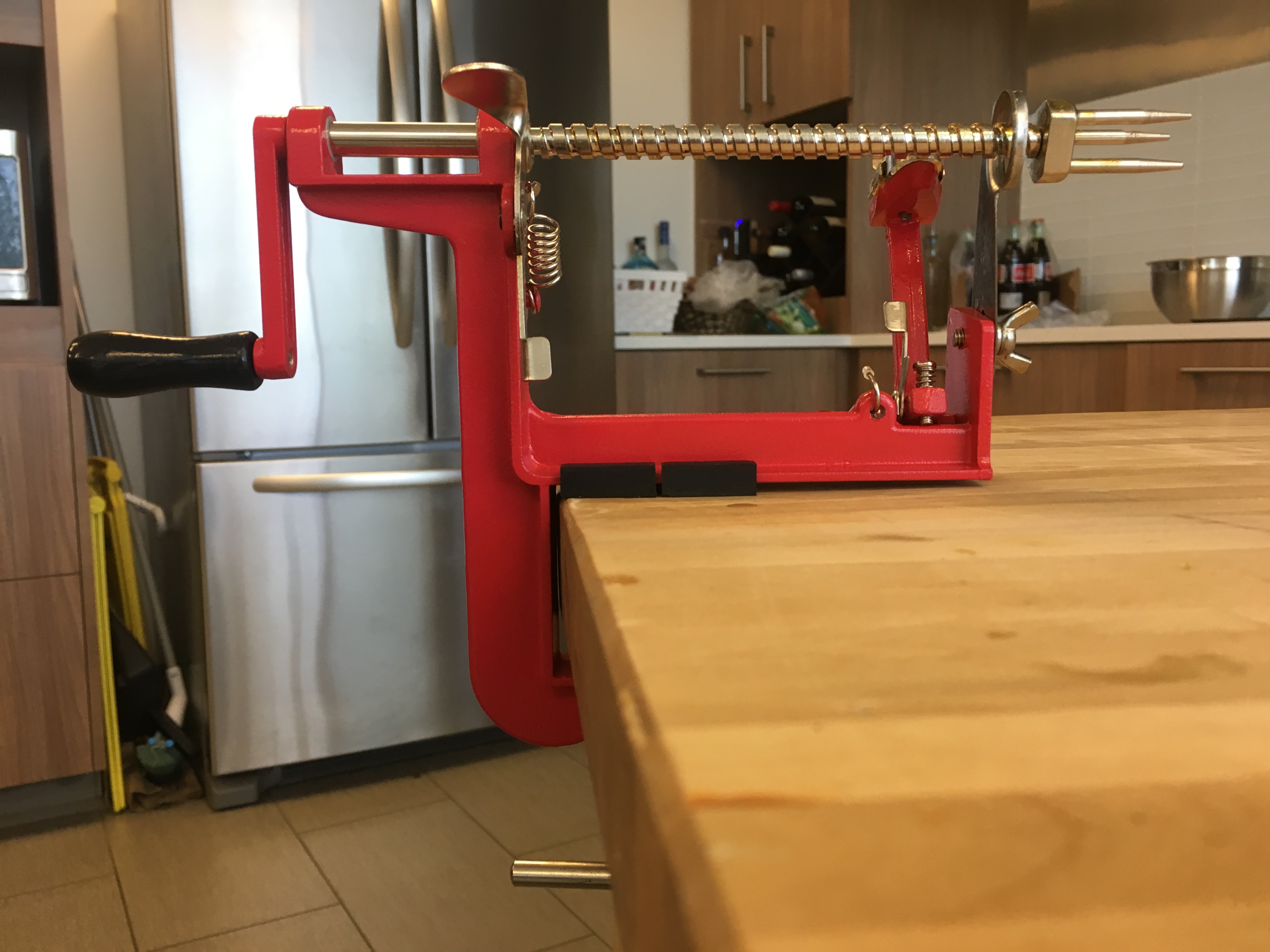
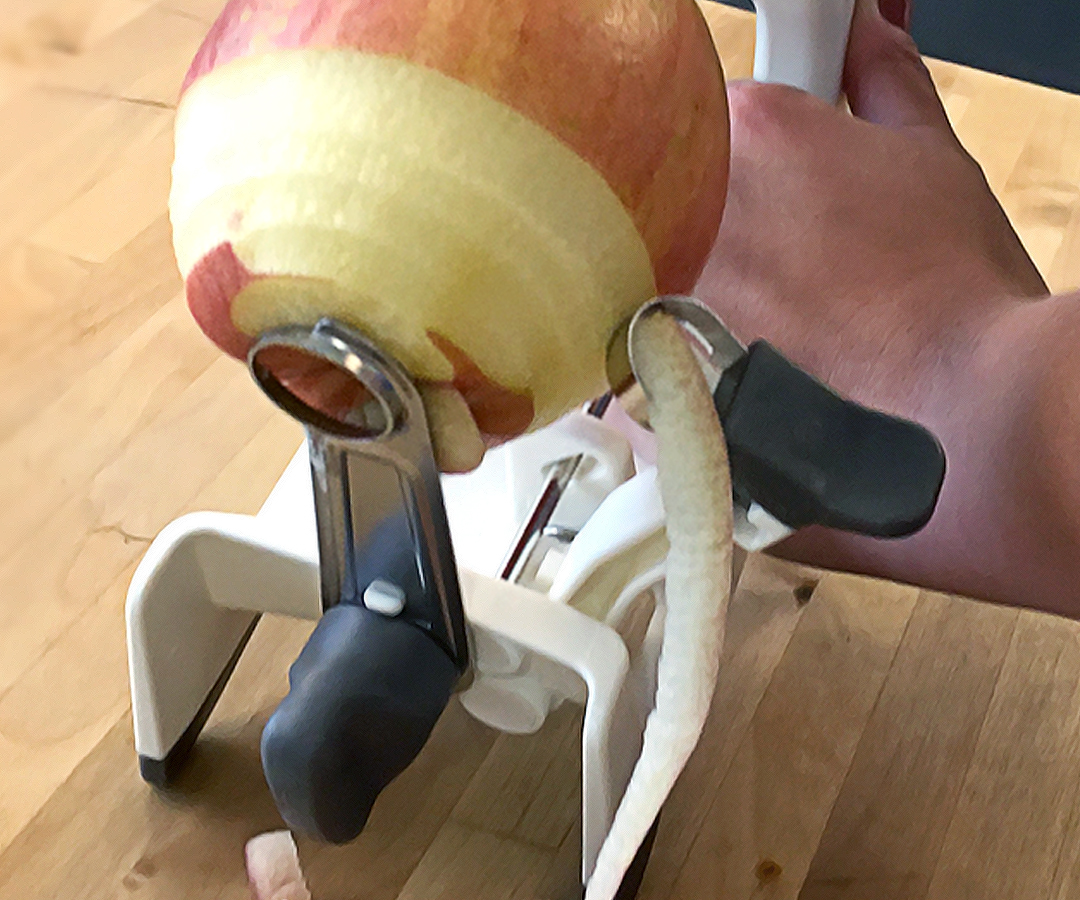
The traditional apple parer required a suitable edge for clamping before it could be used. The redesign removed that mounting requirement.
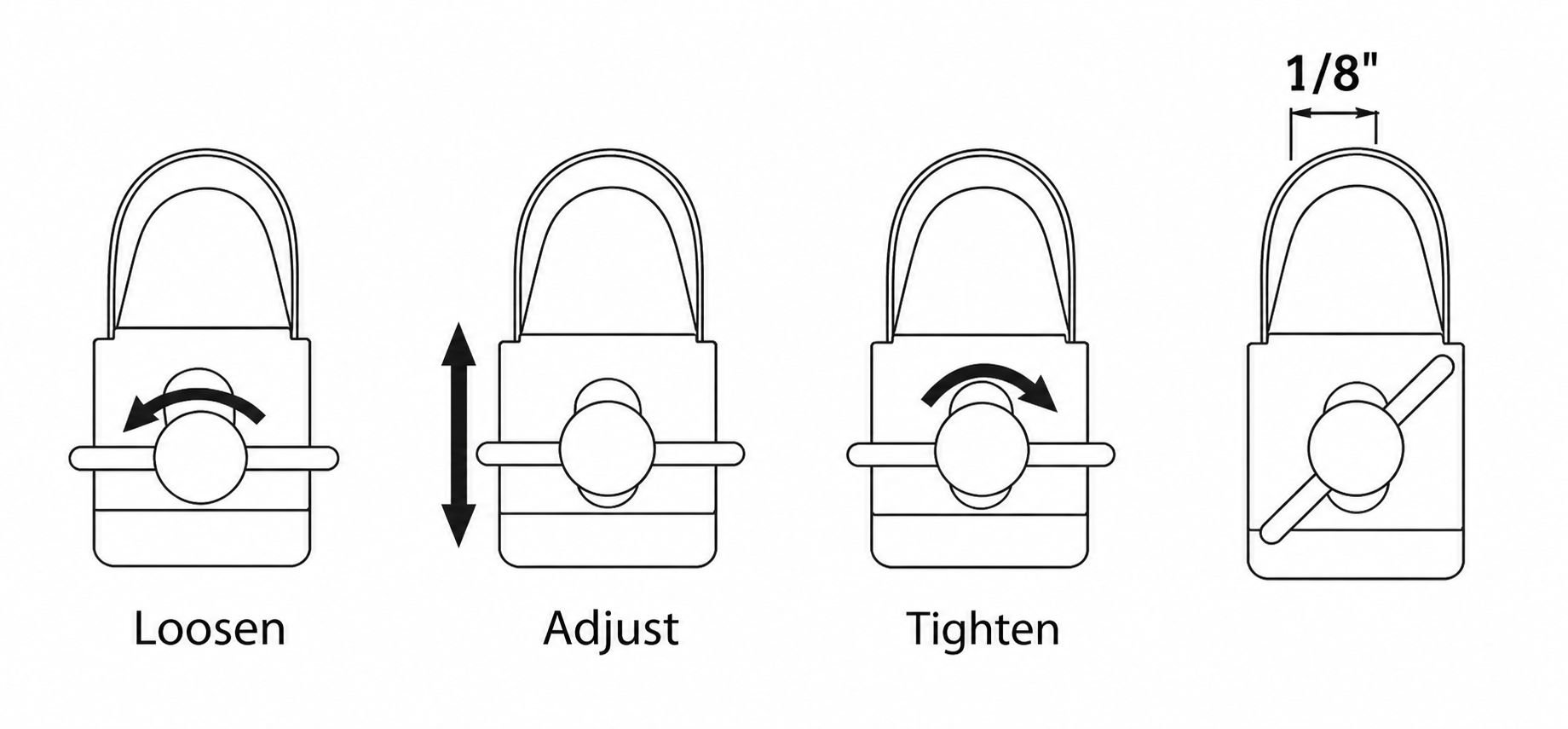
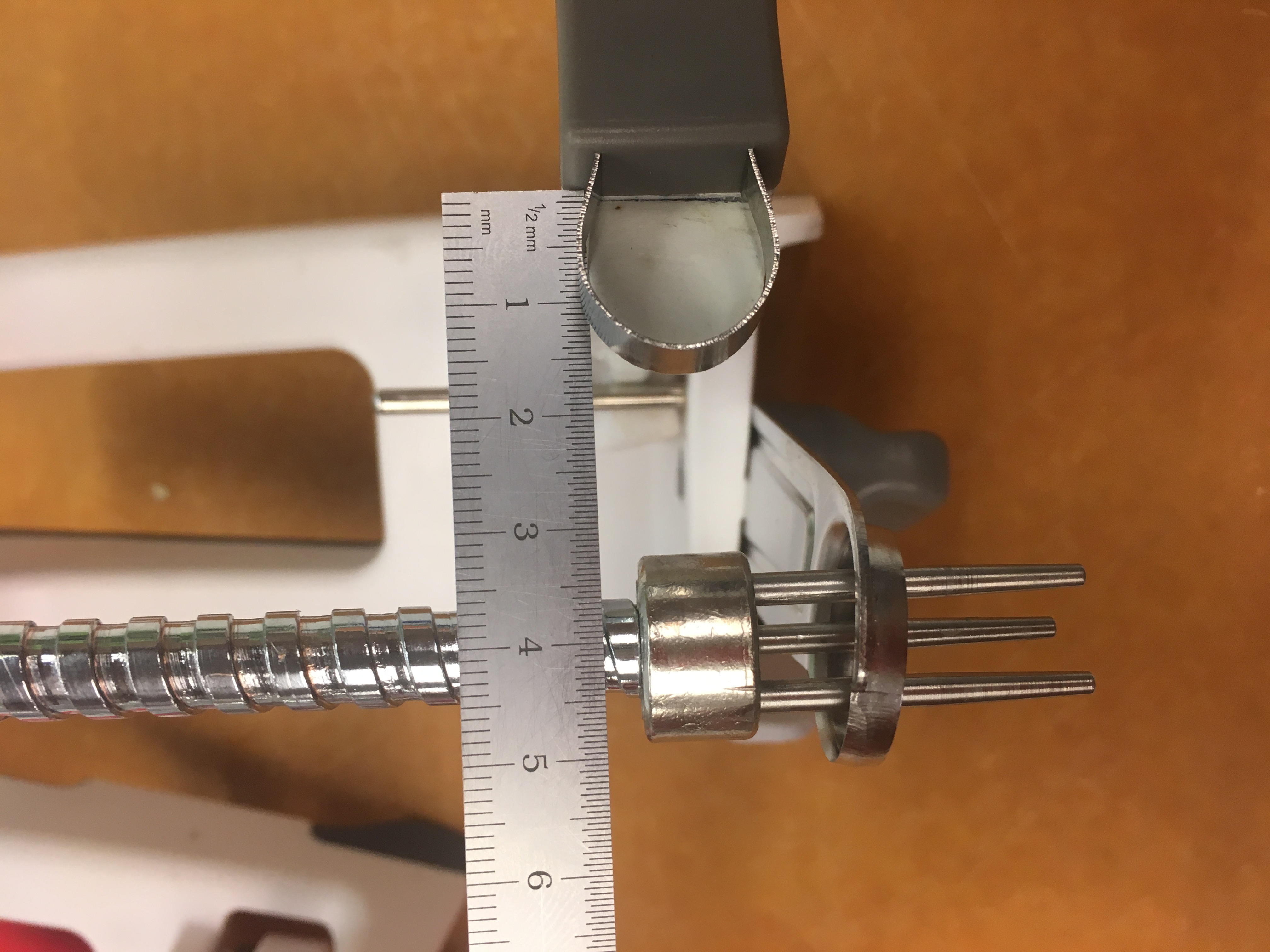
Blade and mechanism positions were established through testing, eliminating user adjustments and simplifying reset.
02 / Refine
Designed for repeated use.
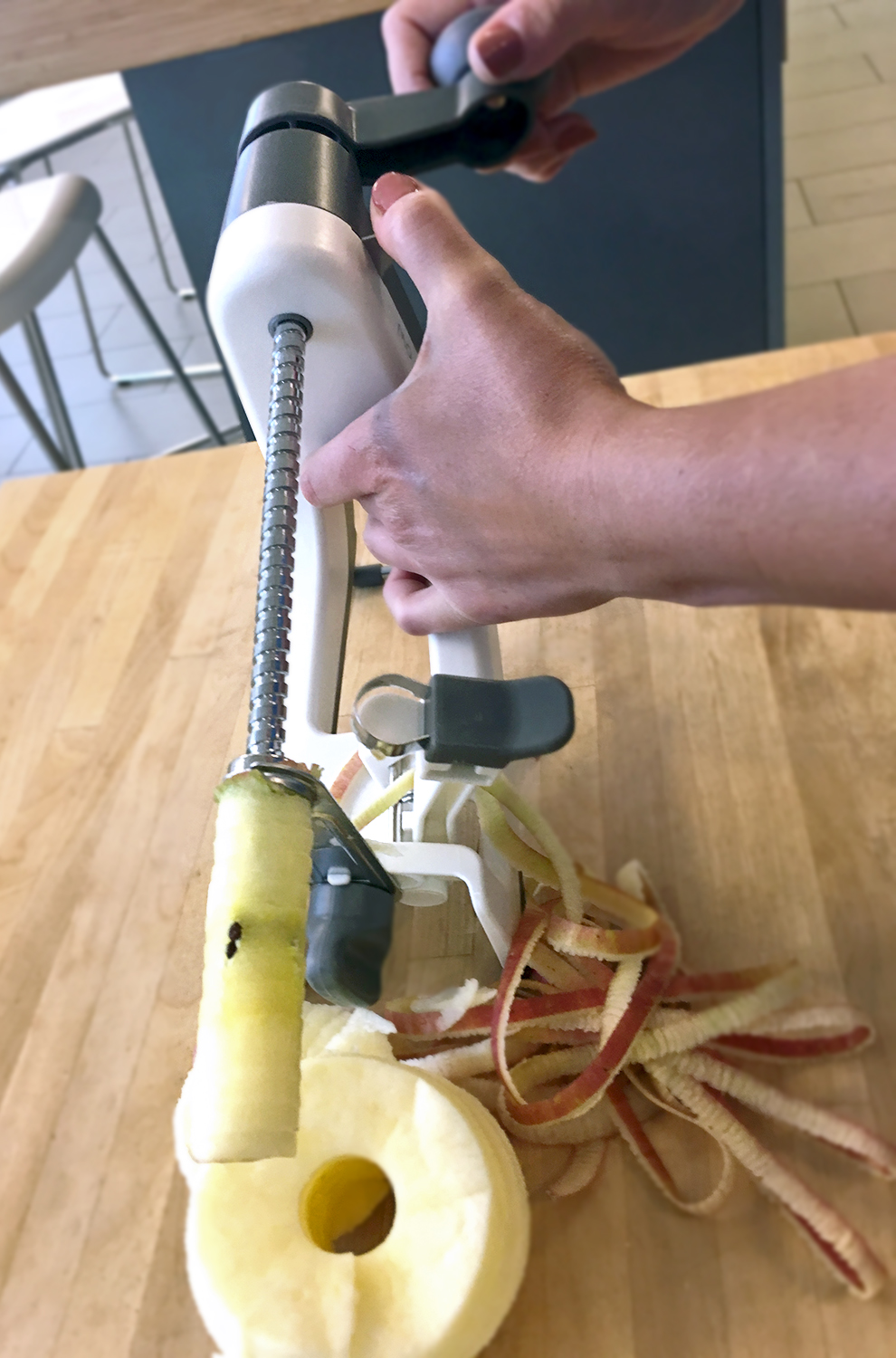
The final machine is quick to set up and reliable.
03 / Outcome
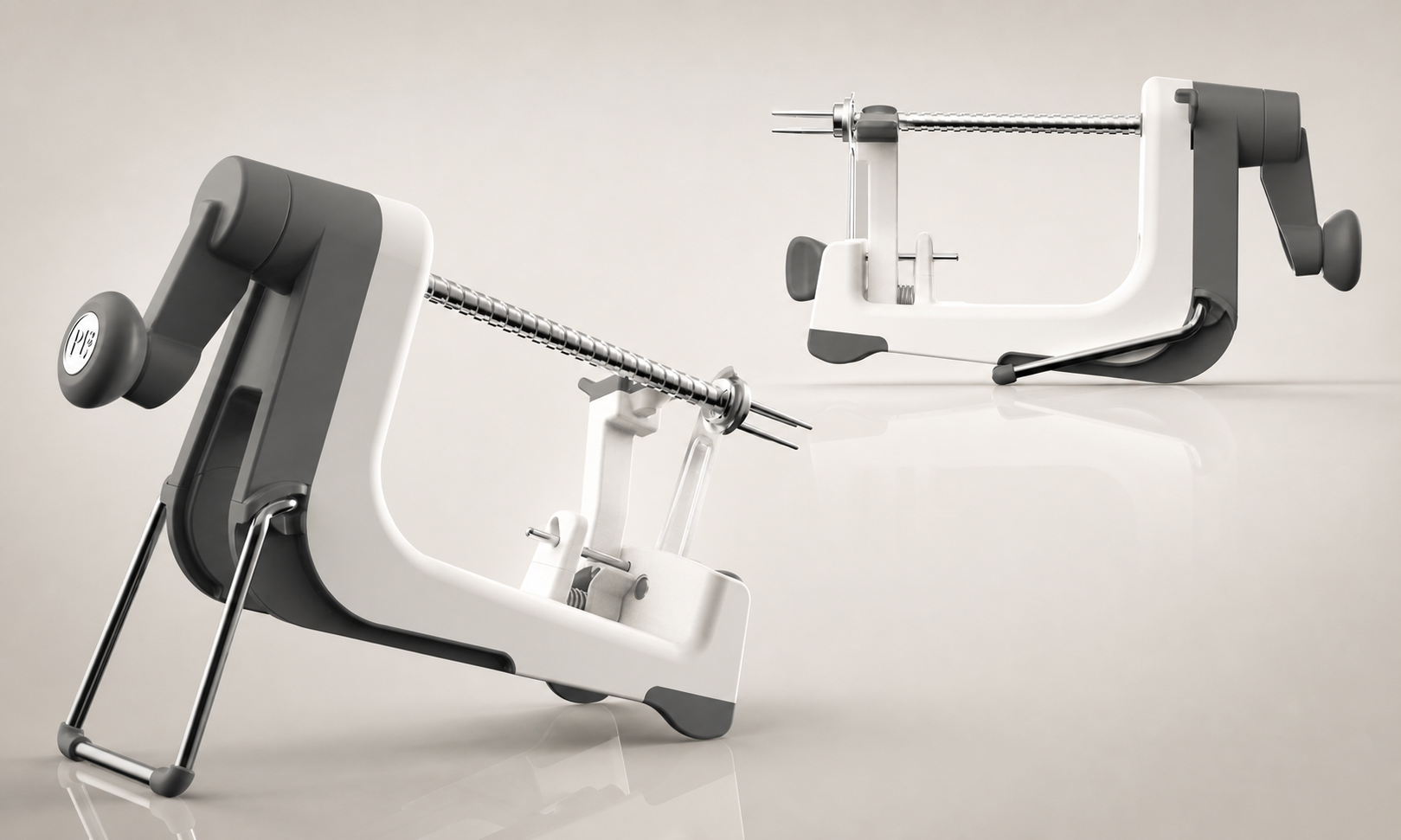
The Apple Machine, Resolved.
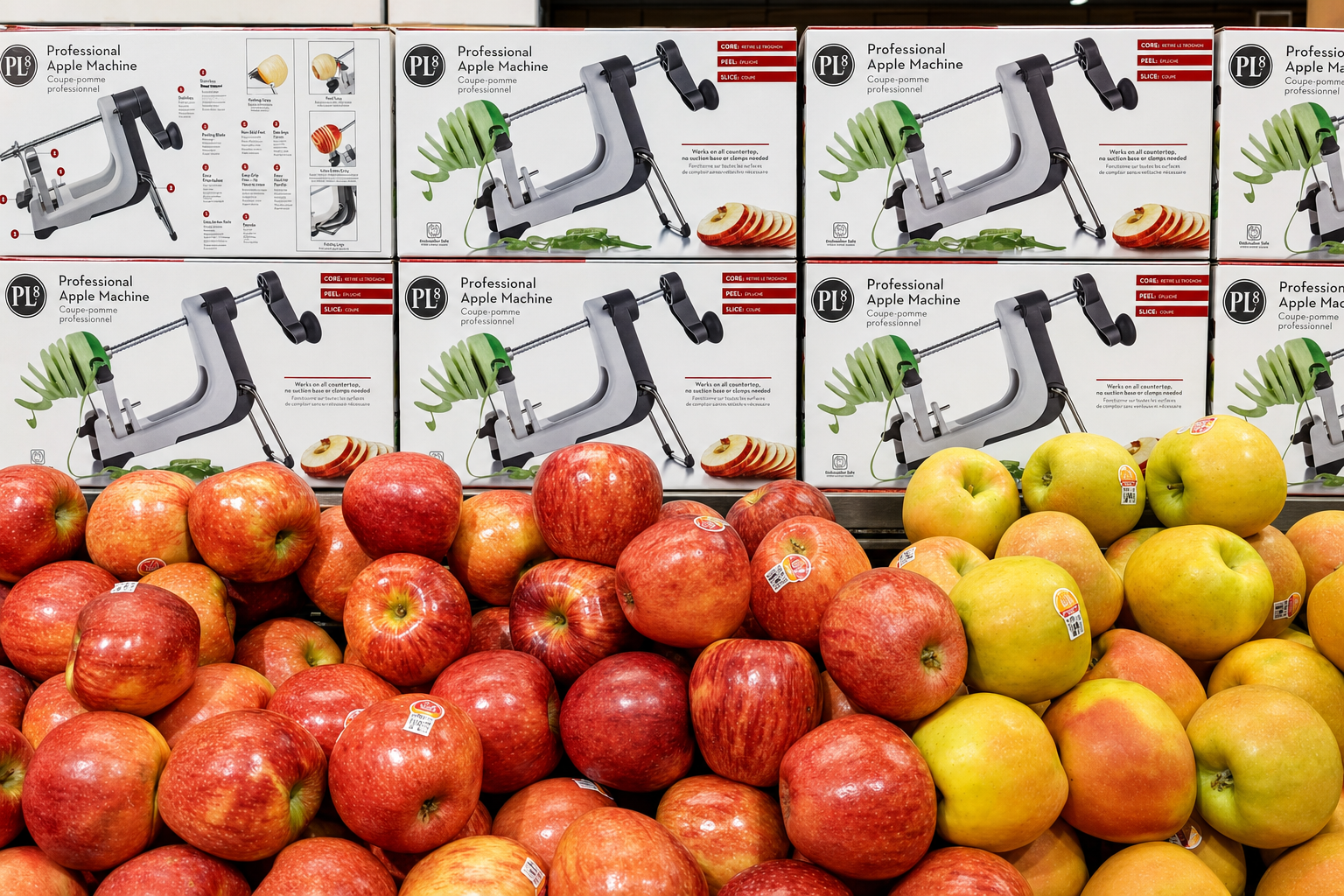
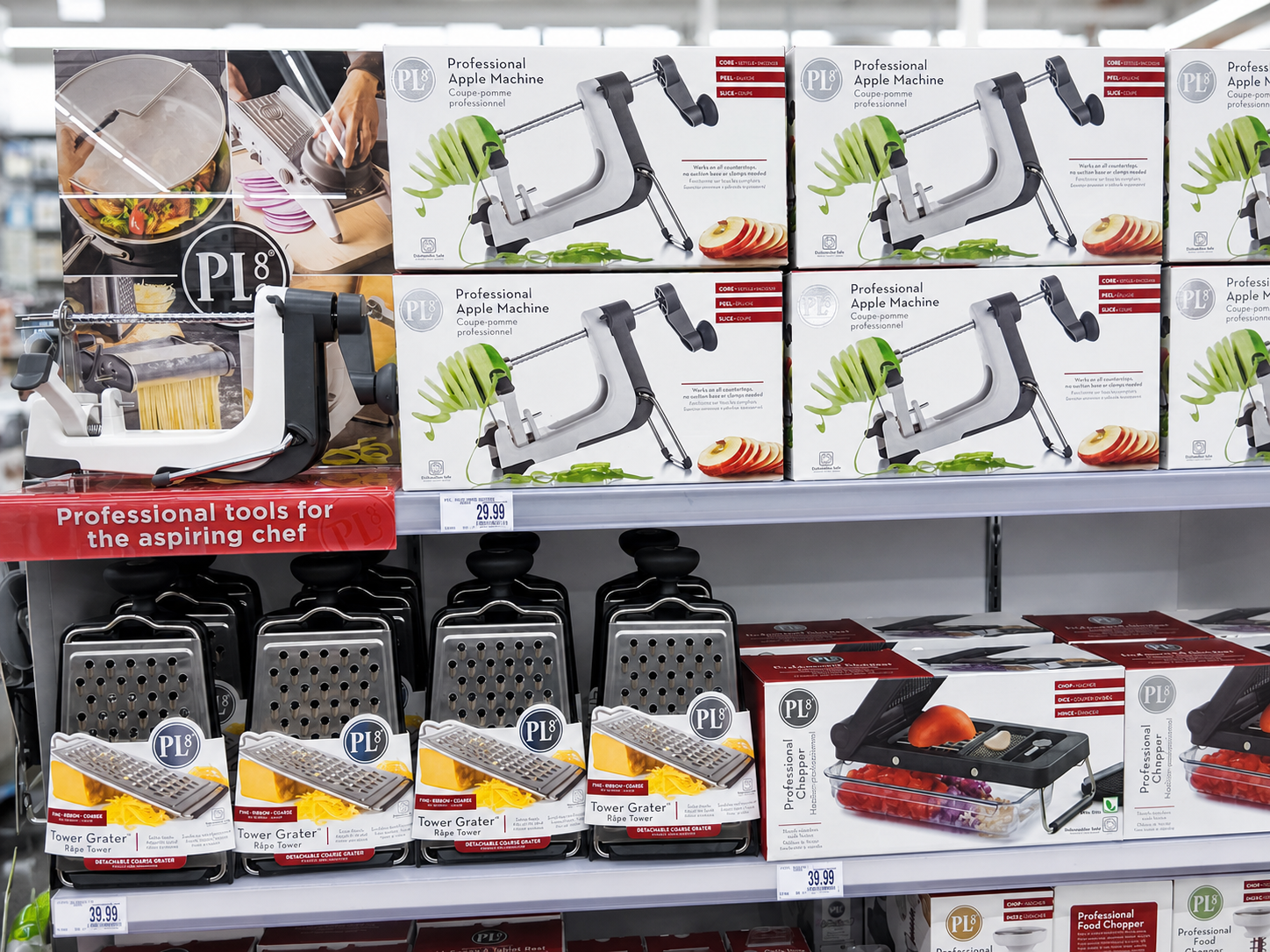
The final design launched at retail as the PL8 Professional Apple Machine.
Garlic Mincer
Refine an inherited mechanism around the hand.
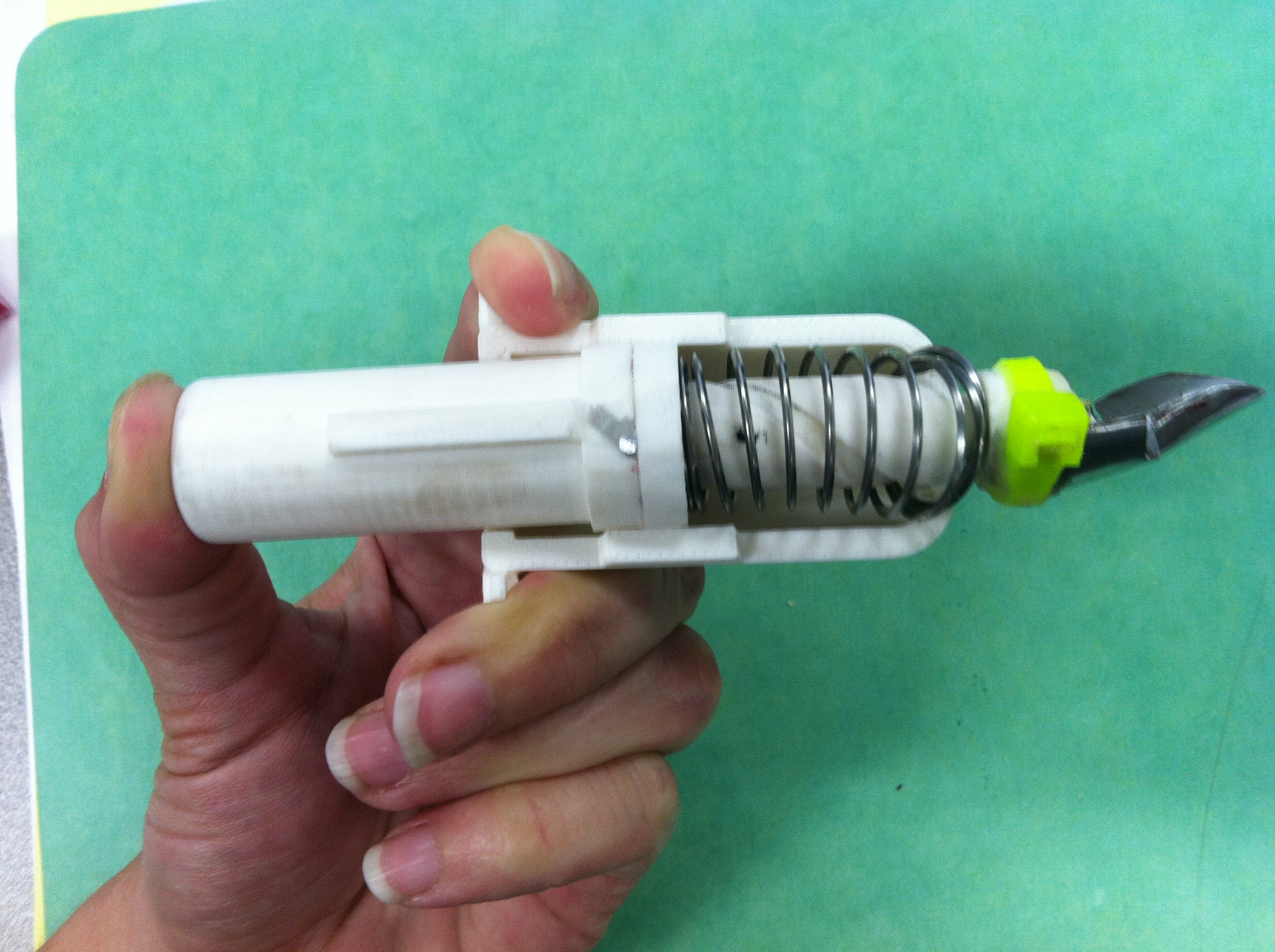
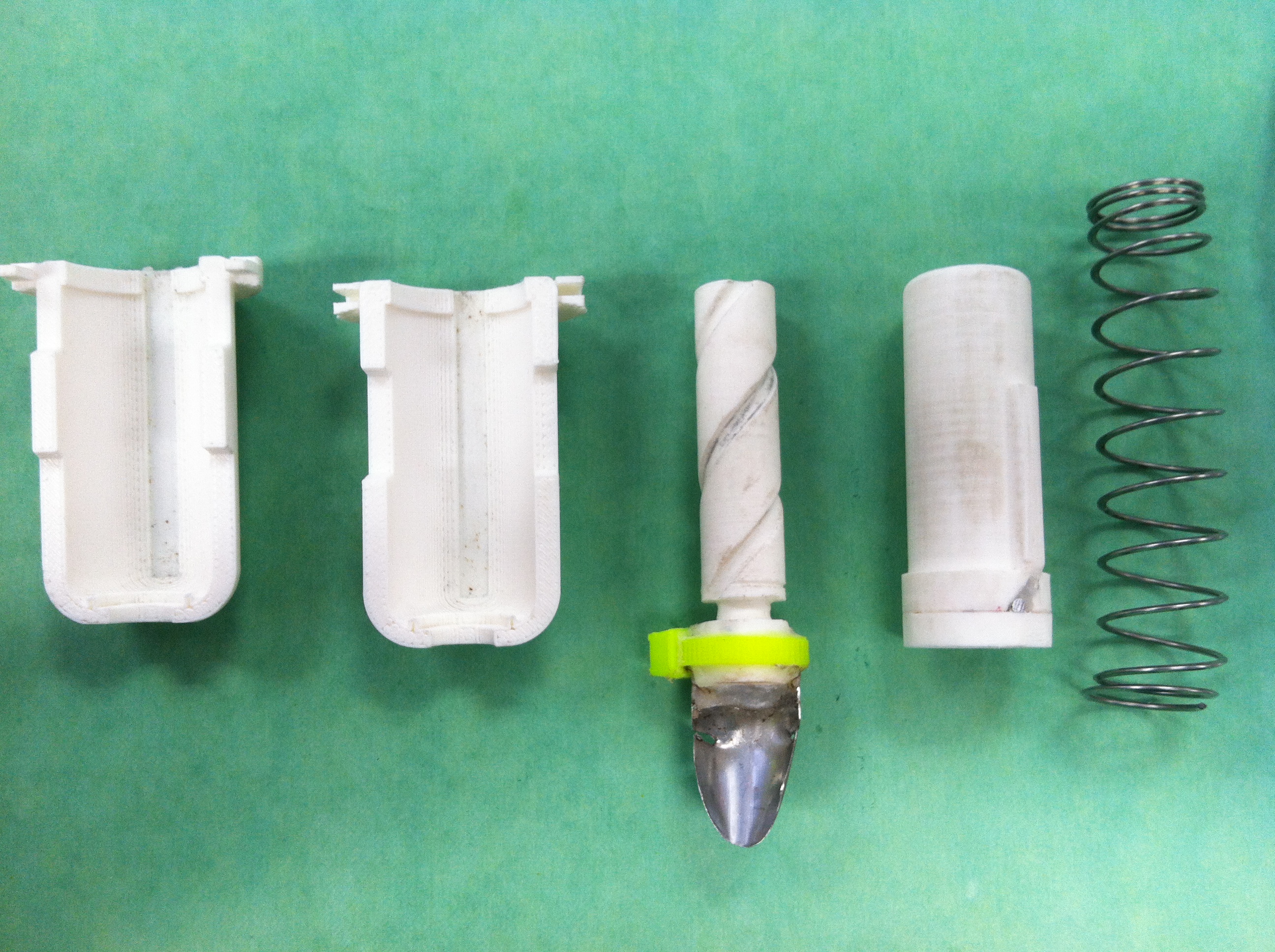
Working from an established product architecture, final development focused on compact ergonomics, spring force, capacity, cleaning, and a simpler interaction.
- Focus
- Mechanics, interactions, capacity, ergonomics
- Program
- Progressive Garliq Mincer
- Methods
- Prototypes, testing, final CAD
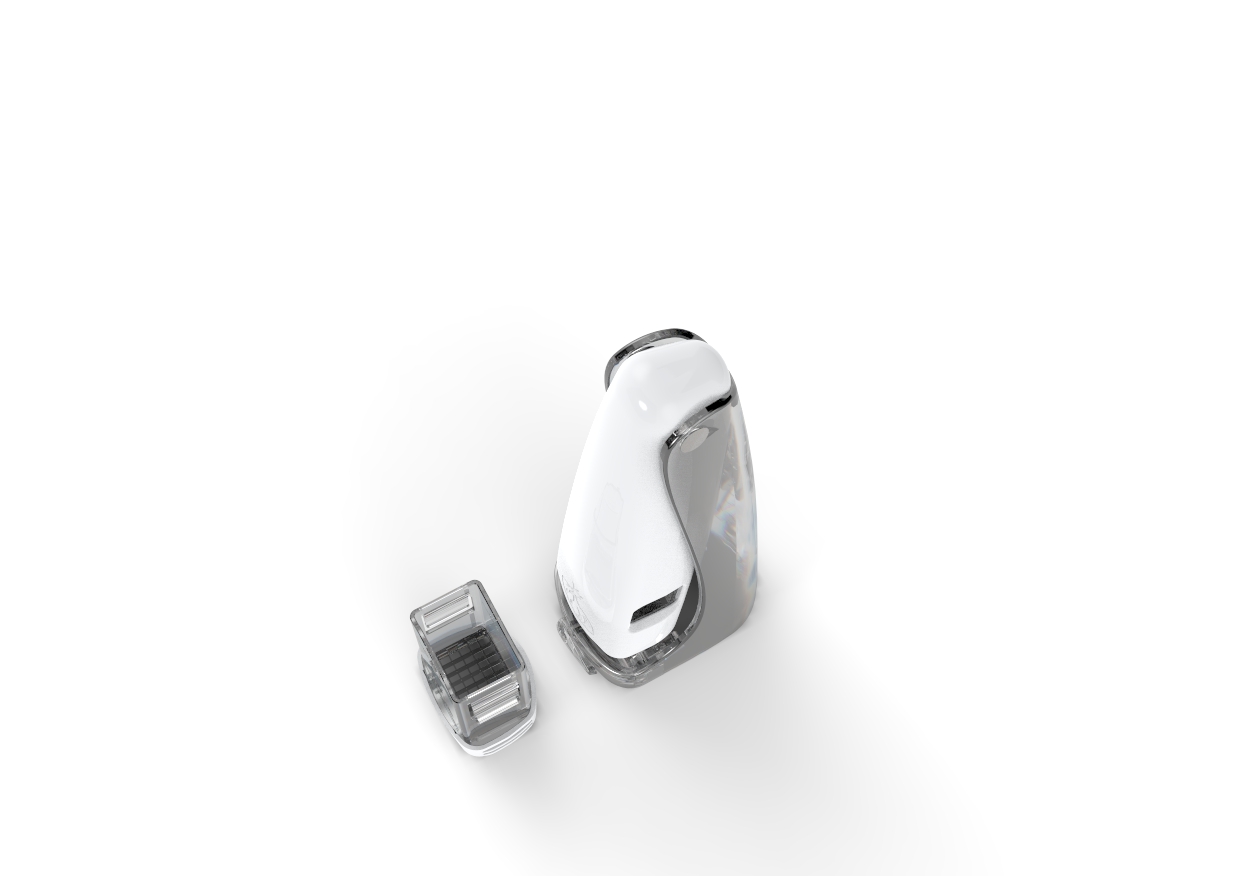
01 / Starting point
An inherited architecture with a long development history.
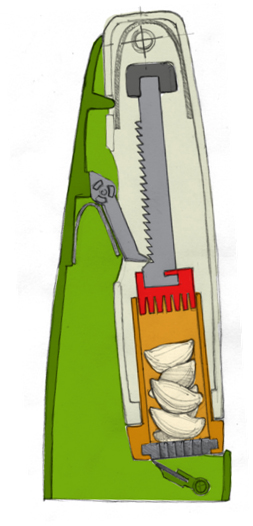
Several design cycles and prototypes establish the starting point for the lead design phase. Final development introduces a ratchet-and-pawl mechanism, resolves the remaining interaction issues, completes the product form, improves ergonomics, and delivers production CAD.
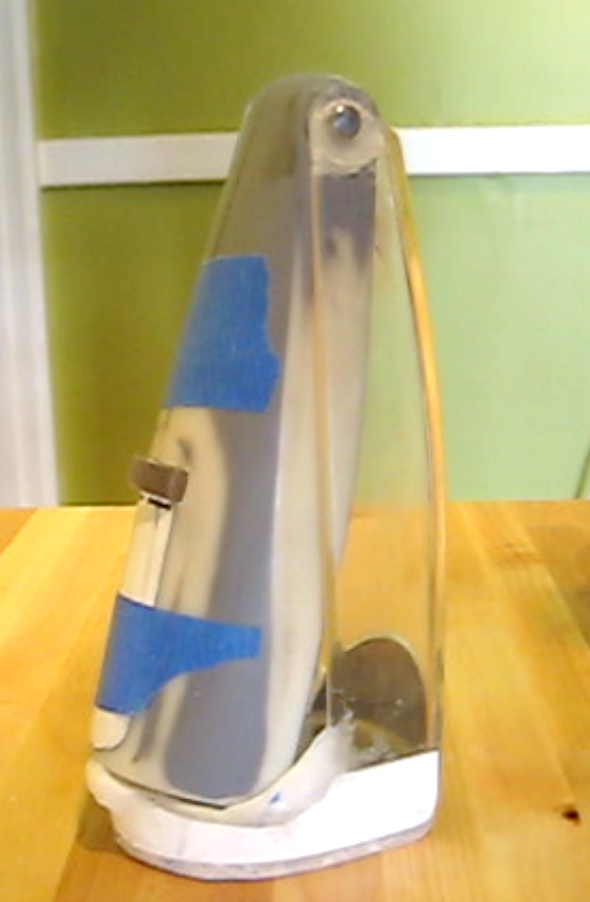
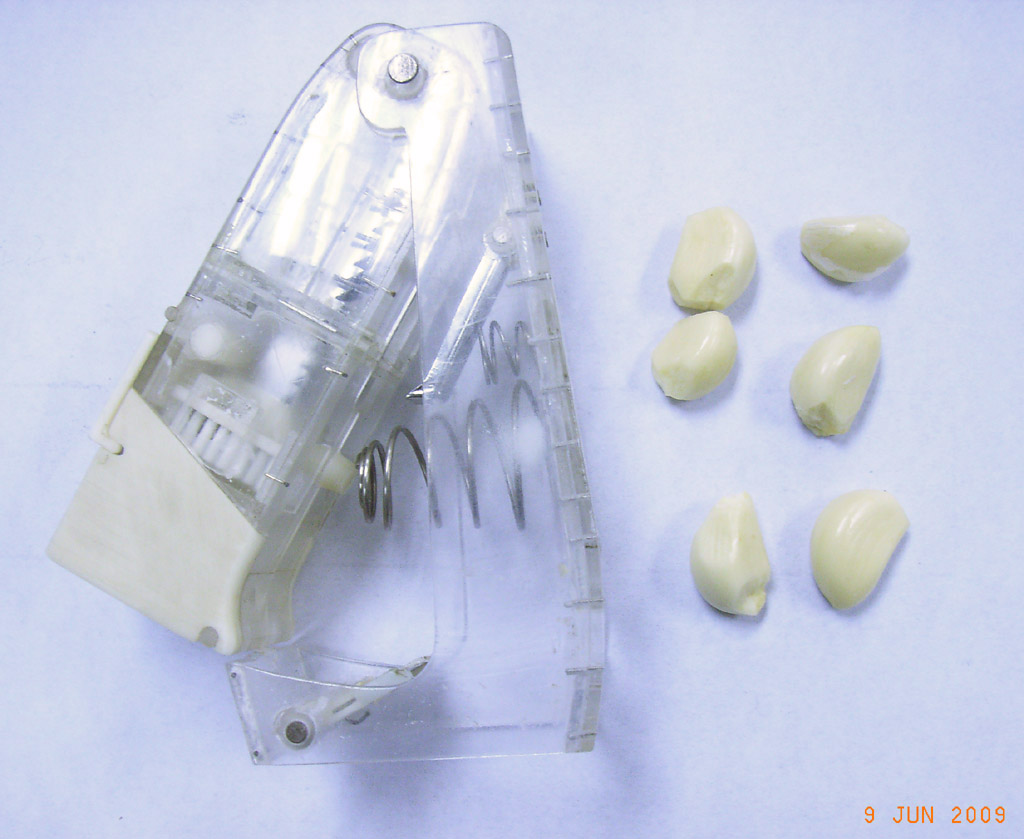
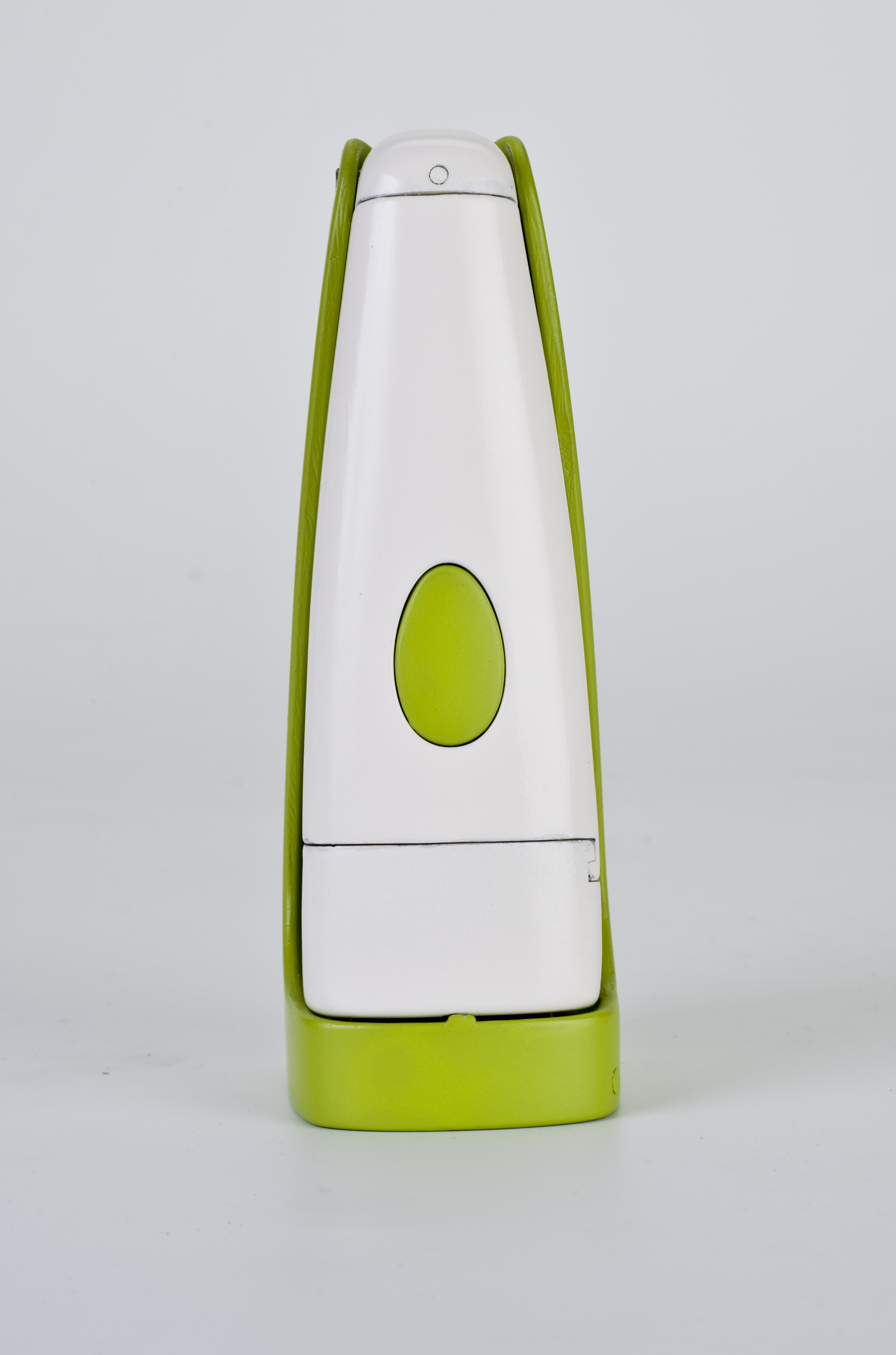
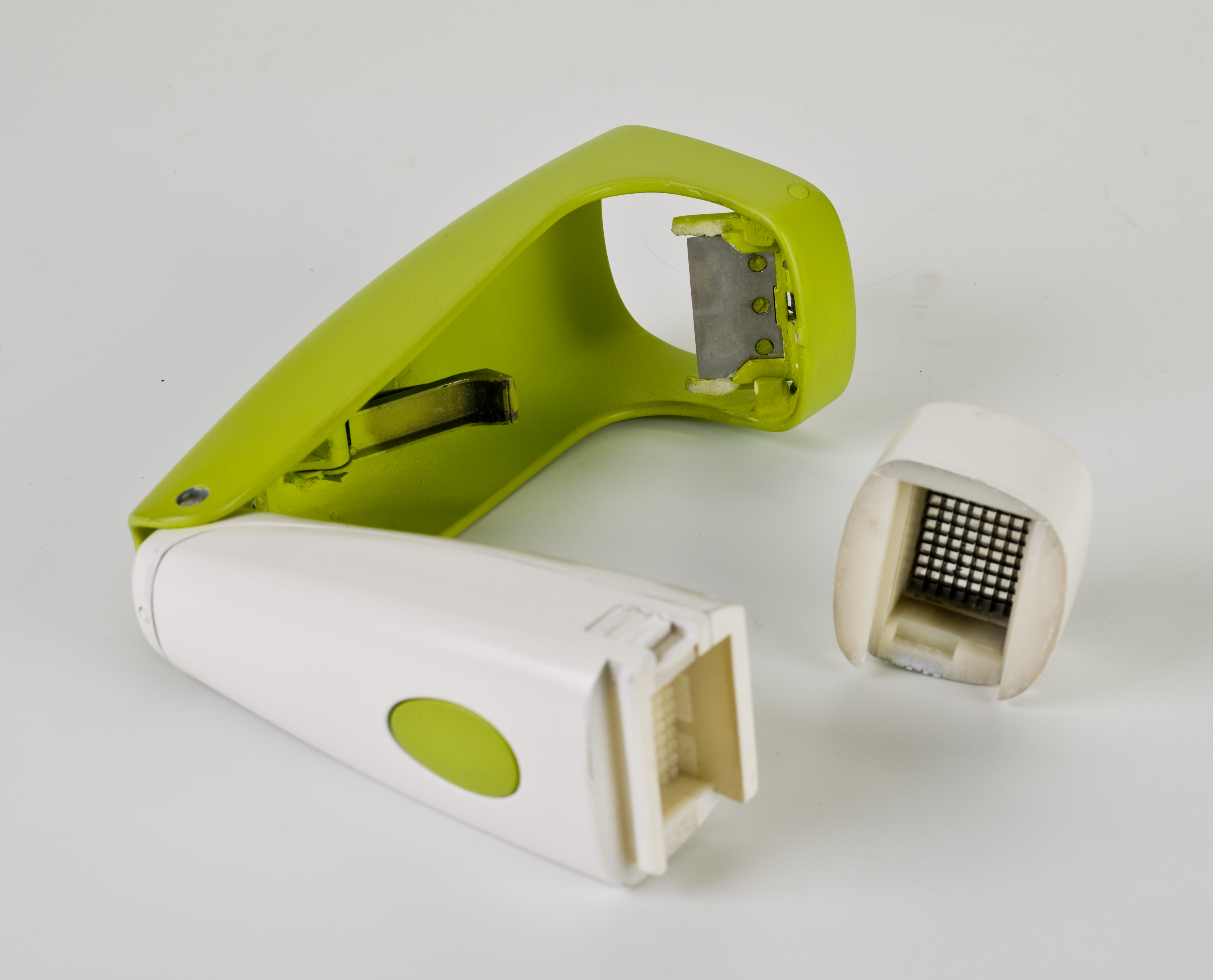
Interaction + detail refinement
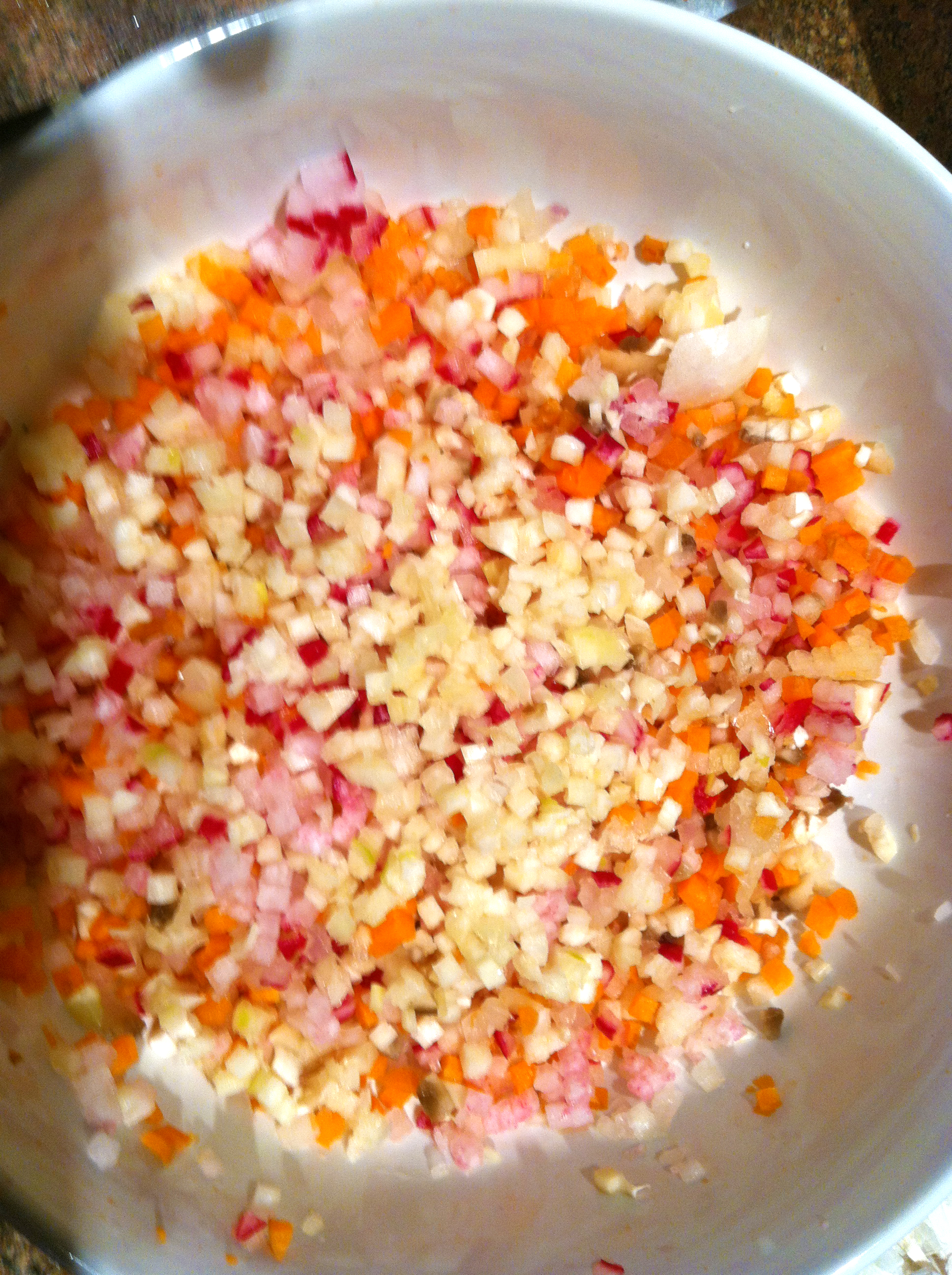
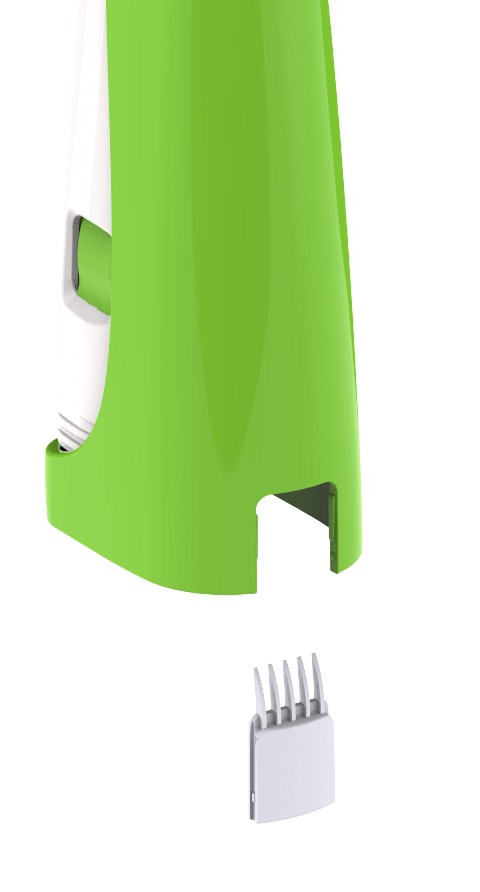
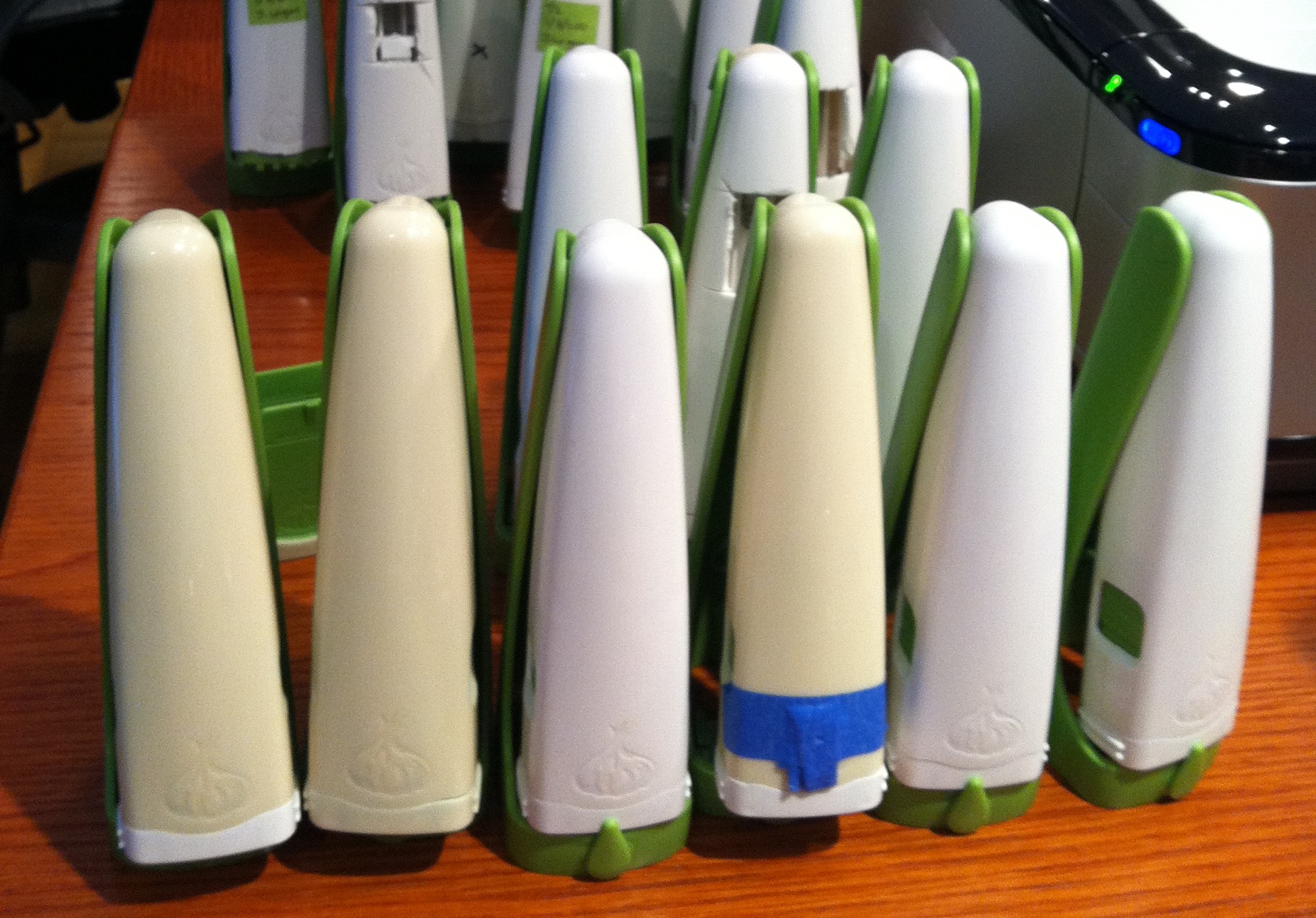
02 / Resolution
A compact tool, refined around the hand.
A new internal architecture balances size and capacity with grip comfort, spring force, and a controlled reset action.

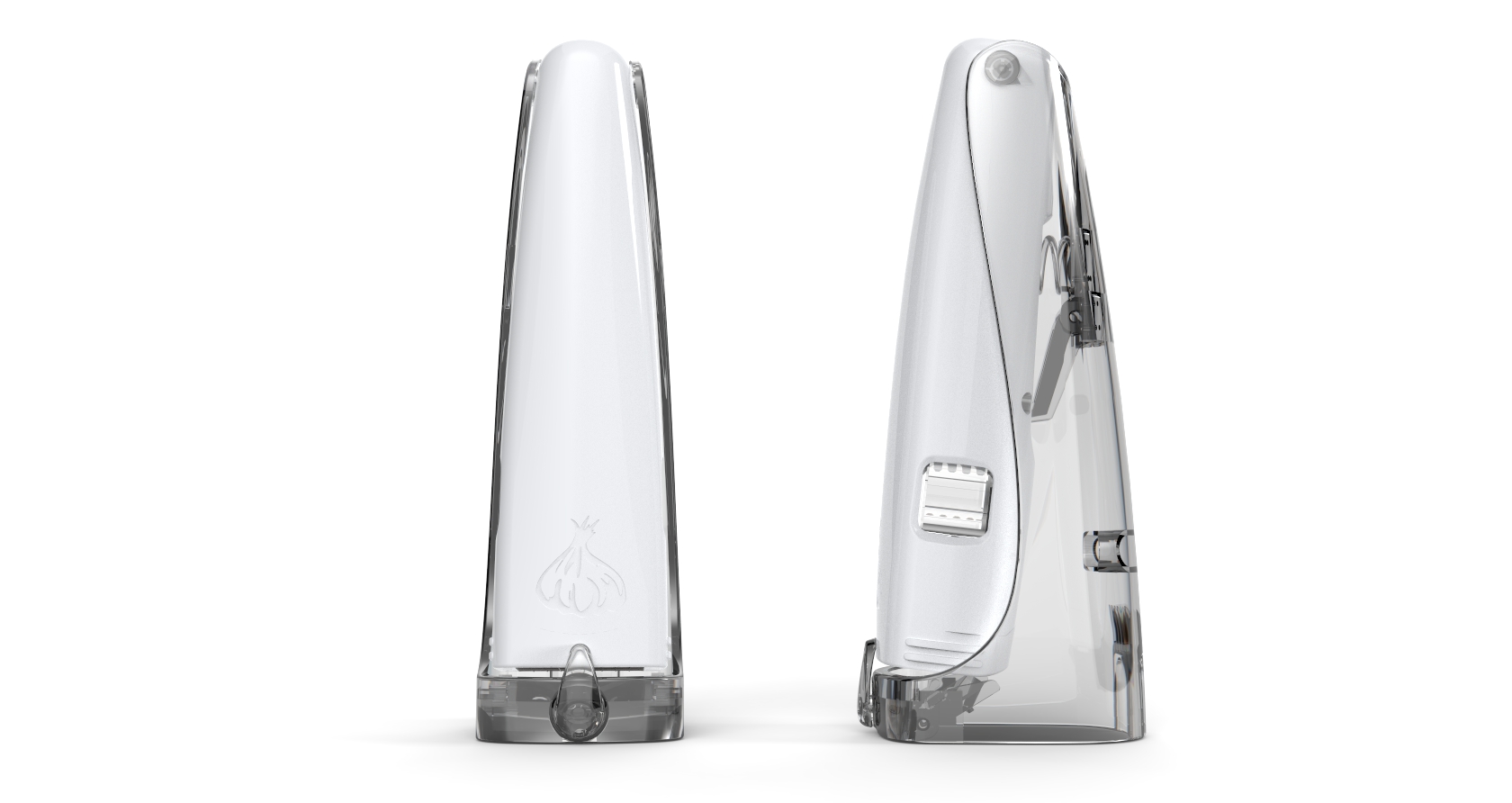
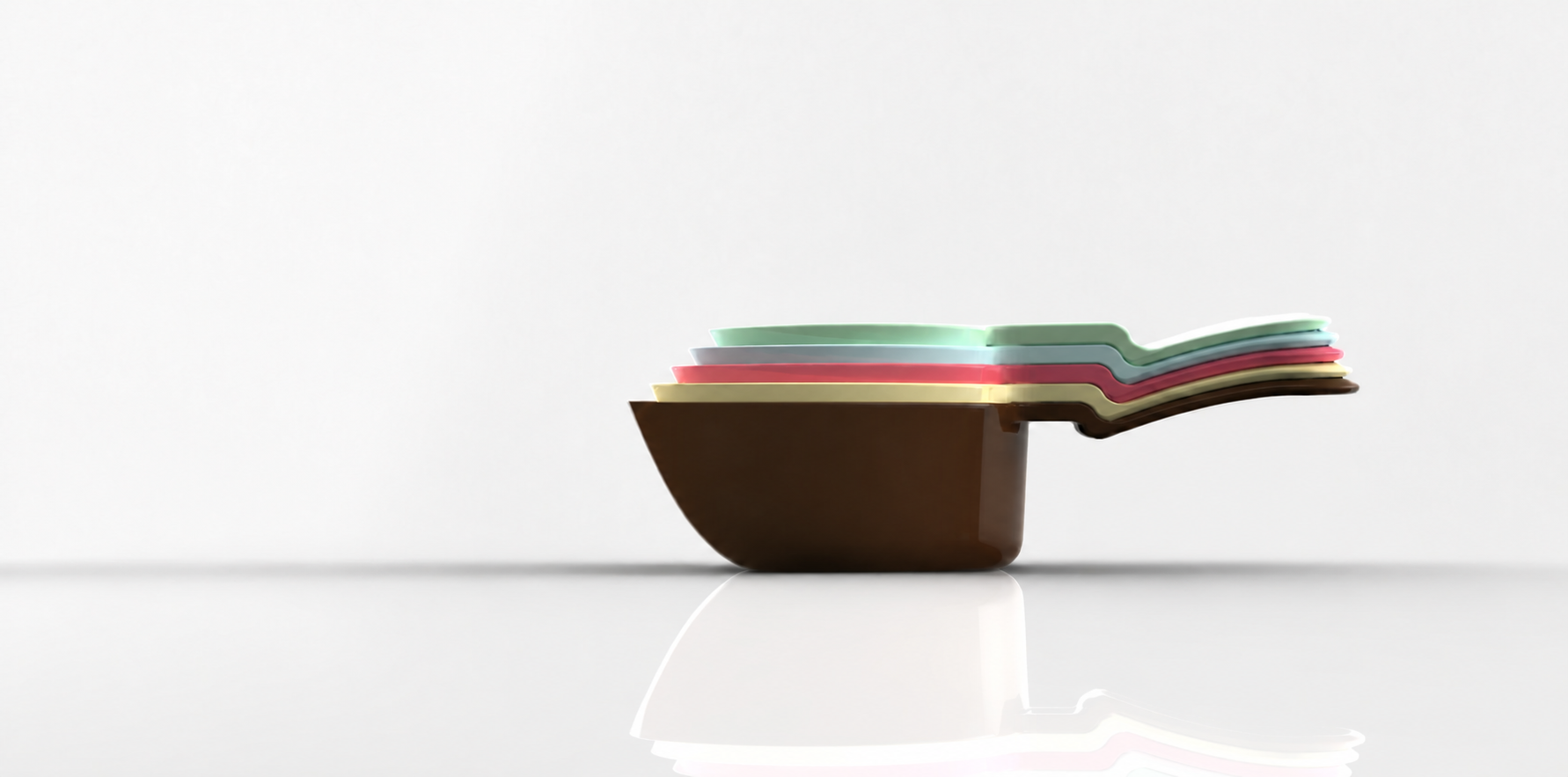
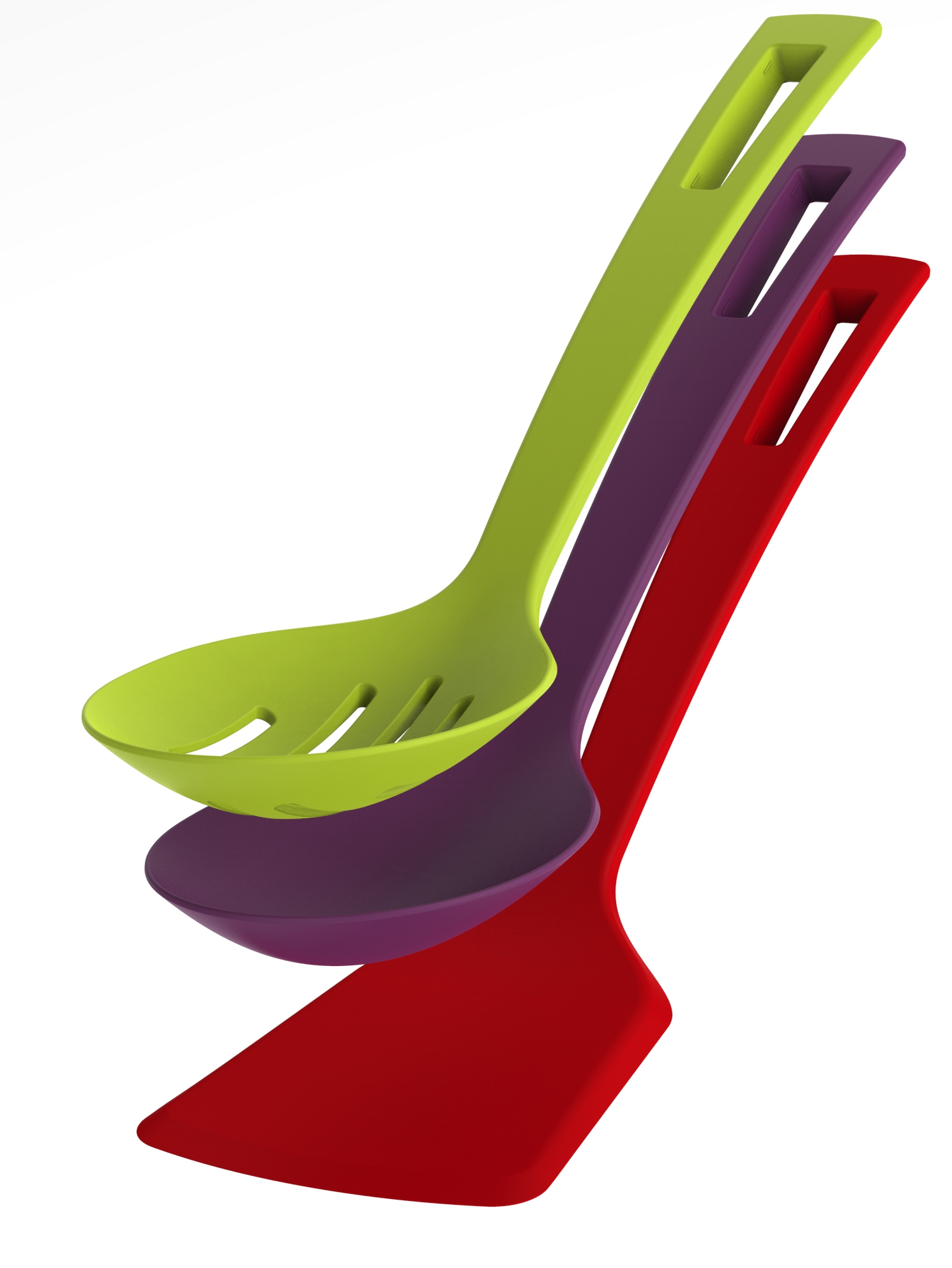
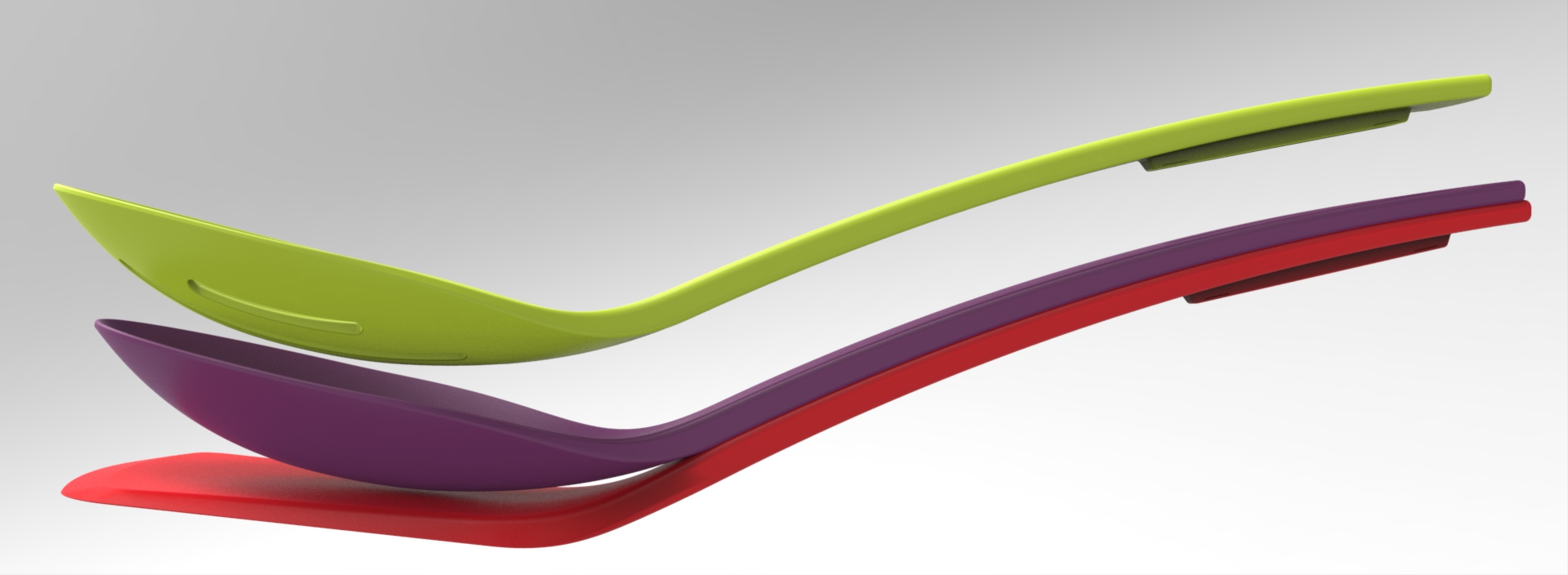
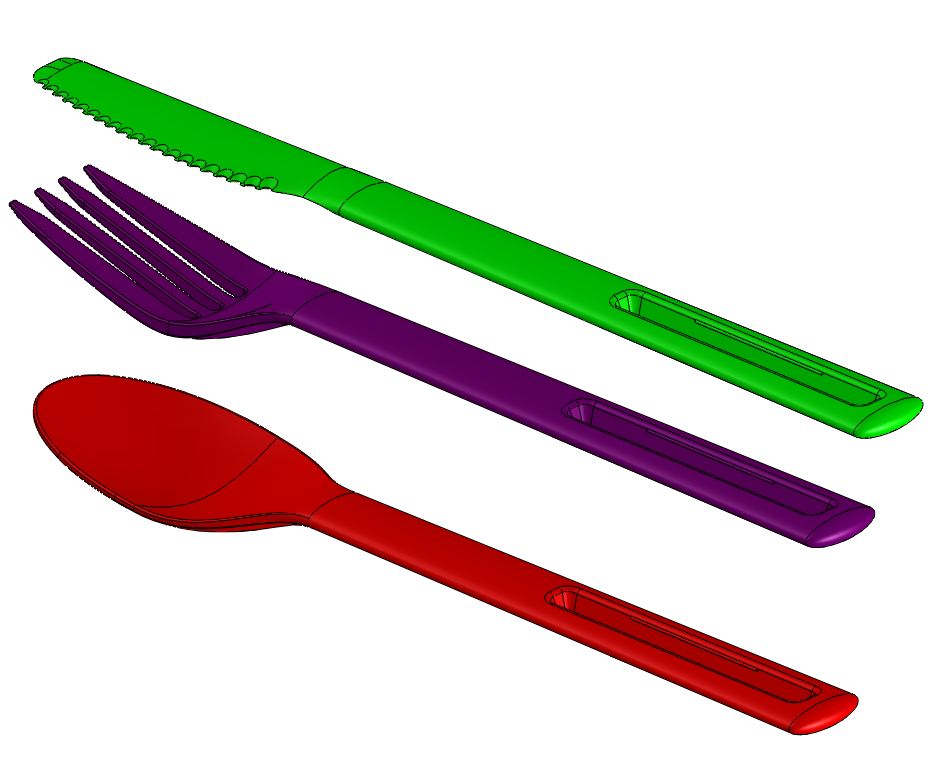
Form development / Kitchen tools
Daily tools shaped by a balance of form and function.
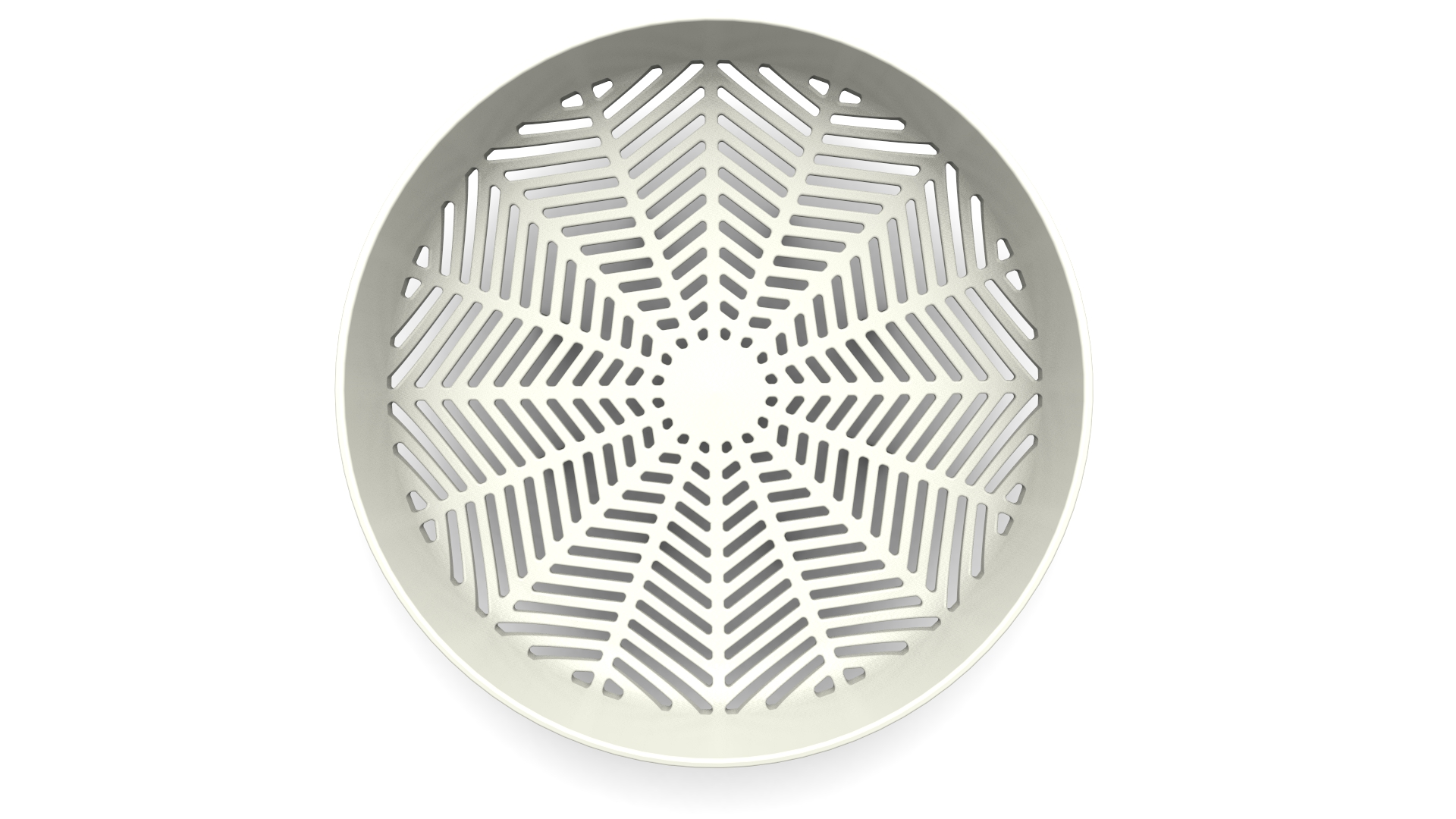
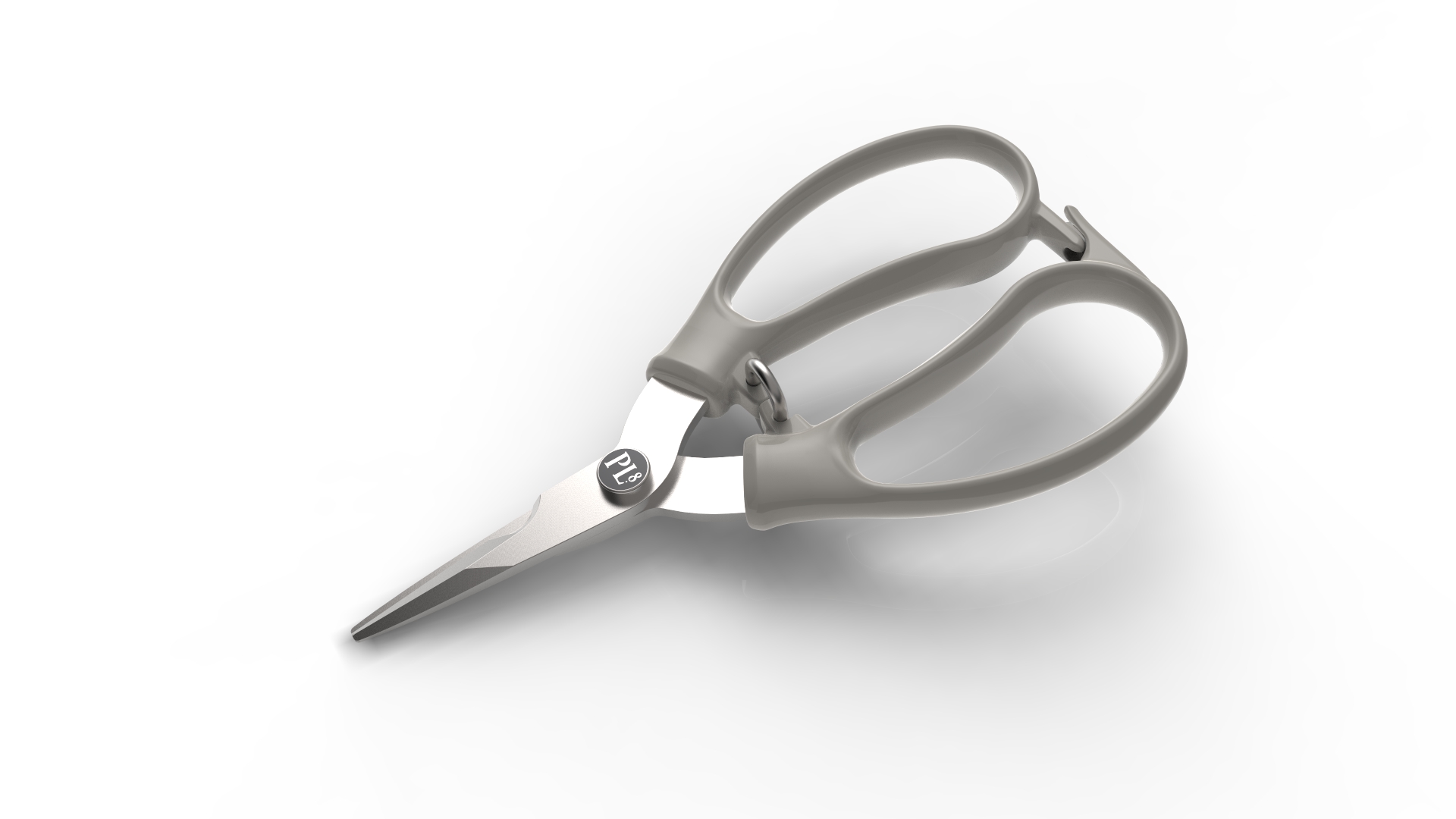
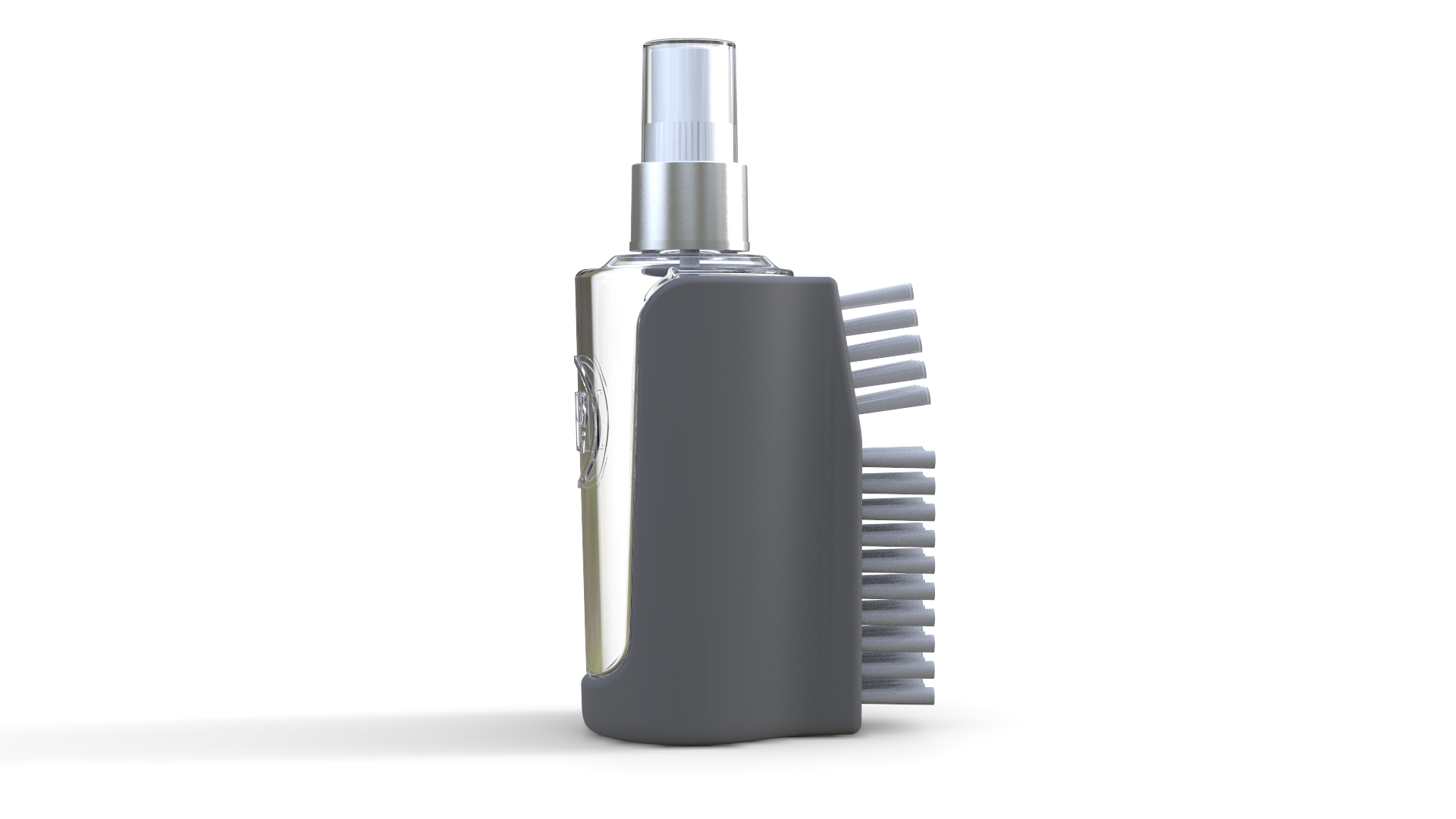
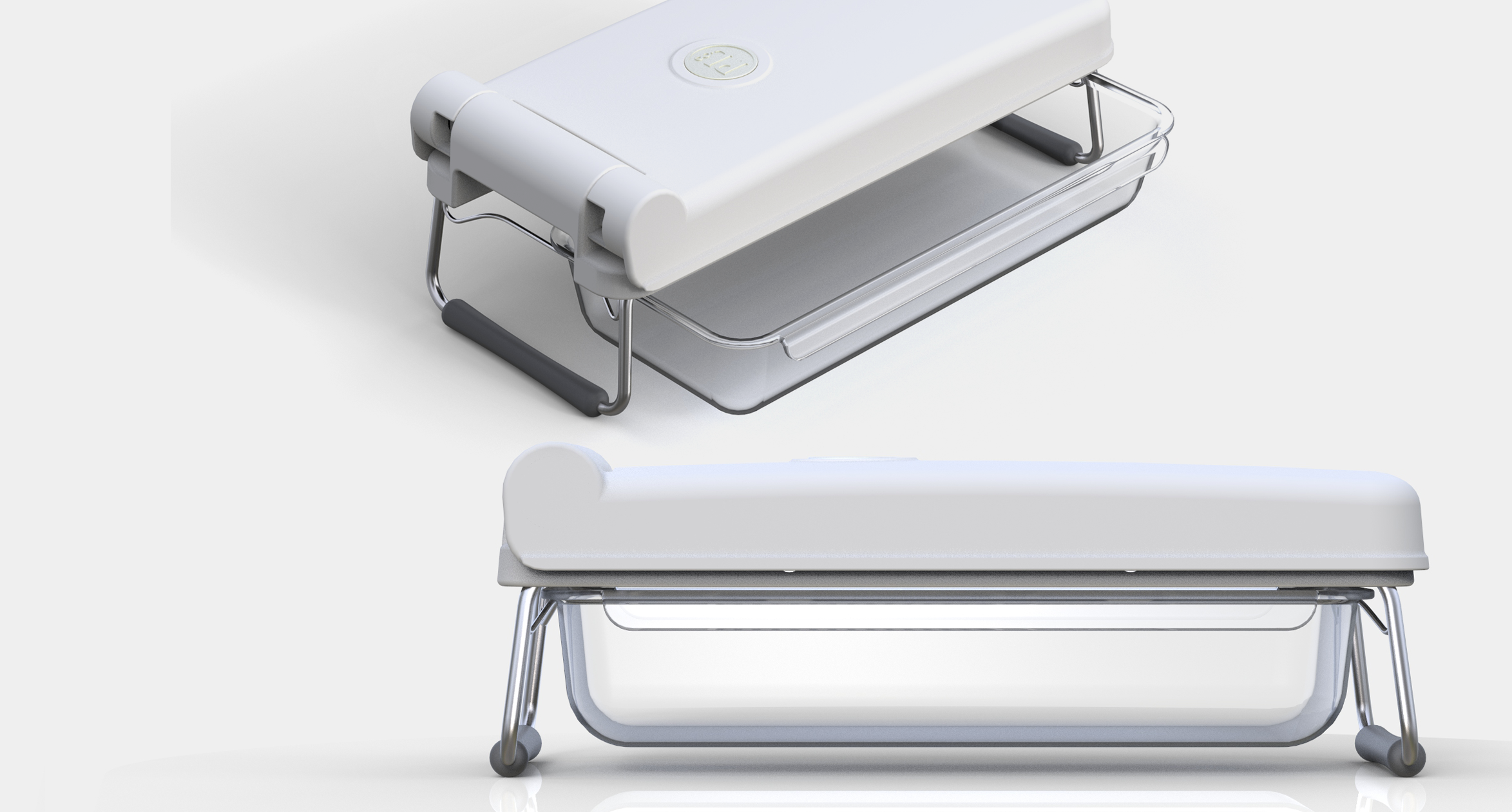
Across multiple brands, engineering requirements are balanced with distinct visual languages through form, materials, and detail.
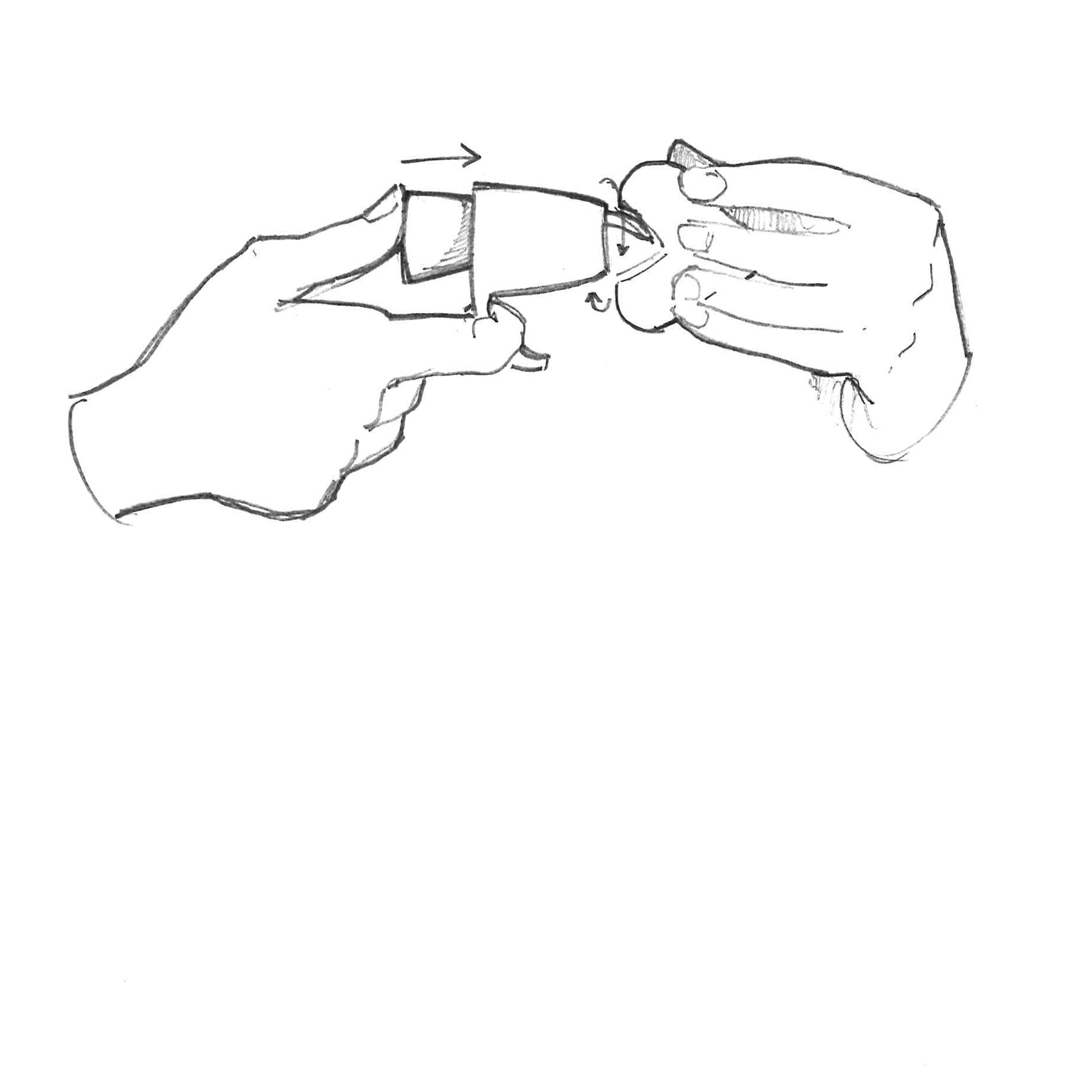
01 / Form studies
Form development across kitchen tools and brand languages.
Sketching, CAD, and prototyping resolve the engineering behind each tool, while form, color, and detail carry its brand language.